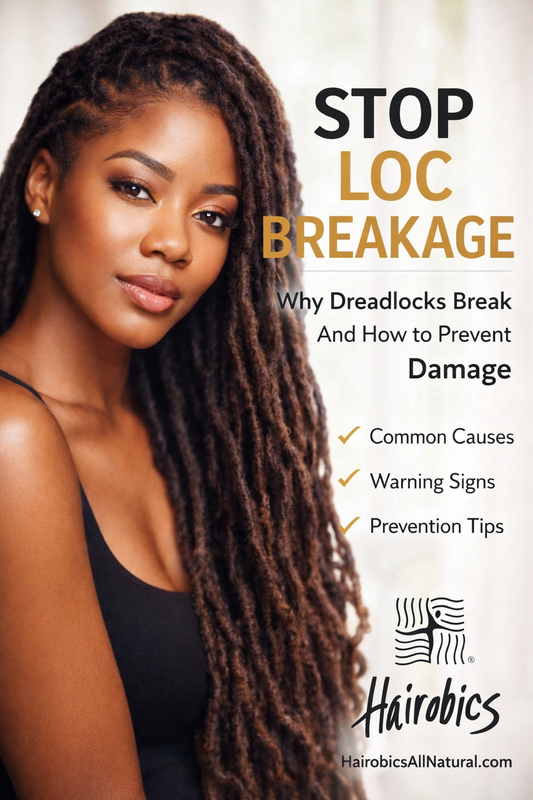
Locs (also called dreadlocks) are one of the most beautiful and culturally meaningful natural hairstyles. Many people choose locs because they are protective, low-maintenance, and ideal for long-term hair growth. When properly maintained, locs can help retain length and reduce daily manipulation.
However, despite their reputation as a protective style, locs can still experience breakage. Many people with locs struggle with thinning roots, weak spots, or locs snapping off entirely. Breakage in locs usually happens slowly, often going unnoticed until significant damage has already occurred.
Understanding why locs break and how to prevent it is essential for maintaining strong, healthy hair and long-lasting locs.
This complete guide explains:
-
Why locs break
-
The most common causes of loc breakage
-
Warning signs of damage
-
How to strengthen weak locs
-
The best routine for preventing breakage
Are Locs Supposed to Break?
Healthy locs should not break easily.
Natural shedding happens with all hair types, including locs. The average person sheds 50–100 hairs per day, and those hairs remain trapped inside the loc. Over time, this shed hair becomes part of the loc structure.
But actual breakage is different from shedding.
Breakage happens when the hair shaft weakens and snaps due to:
-
Dryness
-
Tension
-
Over-retwisting
-
Product buildup
-
Poor maintenance
-
Weak hair strands
If locs are breaking, it usually means the hair structure has been compromised.
The Anatomy of a Loc
To understand breakage, it helps to understand how locs form.
A loc is made of:
-
Shed hairs
-
Growing hairs
-
Tangled curls
-
Oils and moisture
-
Natural compression
Over time, these components compact into a rope-like structure.
Unlike loose hair, locs cannot easily redistribute oils, which means dryness can develop inside the loc.
Dry locs are more fragile and prone to breakage.
The Most Common Causes of Loc Breakage
1. Dryness
Dryness is the number one cause of loc breakage.
Locs tend to become dry because:
-
Oils struggle to travel down the hair shaft
-
Dense locs trap dryness inside
-
Washing without moisturizing removes natural oils
Dry locs become:
-
Brittle
-
Rough
-
Weak
Eventually, they snap.
Signs of Dry Locs
-
Rough texture
-
Dull appearance
-
Frizzy ends
-
Stiff locs
-
Splitting ends
Prevention
Moisture is essential.
Healthy locs need:
-
Water-based moisturizers
-
Light oils
-
Regular hydration
Hydrated locs stay flexible instead of brittle.
2. Over-Retwisting
Frequent retwisting weakens the roots of locs.
Many people retwist every 2–3 weeks, but this can cause:
-
Thinning roots
-
Weak bases
-
Breakage near the scalp
Retwisting pulls hairs in the same direction repeatedly, placing stress on follicles.
Warning Signs
-
Skinny roots
-
Scalp showing through
-
Tender scalp
-
Loose loc bases
Ideal Retwist Frequency
Most experts recommend:
-
Every 4–8 weeks
Longer intervals help roots stay thick and strong.
3. Tight Styles
Styles that pull on locs can cause severe breakage.
Examples include:
-
Tight ponytails
-
High buns
-
Barrel twists
-
Tight braiding
-
Heavy extensions
Constant tension weakens roots and causes traction damage.
Signs of Tension Damage
-
Red scalp
-
Itching
-
Tenderness
-
Thinning edges
-
Loose loc bases
Over time, locs can snap completely.
4. Product Buildup
Locs easily trap products inside.
Heavy products include:
-
Thick oils
-
Butters
-
Waxes
-
Creams
-
Gels
Buildup makes locs:
-
Heavy
-
Hard
-
Dry inside
Heavy locs place stress on roots, increasing breakage risk.
Signs of Buildup
-
White residue
-
Sticky texture
-
Heavy locs
-
Dull appearance
-
Musty smell
Prevention
Use:
-
Light oils
-
Water-based sprays
-
Clarifying washes
5. Weak Spots in Locs
Sometimes locs develop thin sections in the middle.
These weak spots form due to:
-
Past breakage
-
Uneven twisting
-
Rubbing on clothing
-
Excess manipulation
Eventually the loc snaps at the thin point.
Common Breakage Locations
-
Middle of loc
-
Near ends
-
At the root
6. Friction Damage
Constant rubbing damages locs over time.
Common friction sources include:
-
Cotton pillowcases
-
Rough fabrics
-
Hats
-
Scarves
-
Coat collars
Friction slowly wears down hair fibers.
Prevention
Use:
-
Satin pillowcases
-
Silk bonnets
-
Smooth fabrics
7. Washing Mistakes
Improper washing weakens locs.
Common mistakes include:
-
Not conditioning
-
Scrubbing too hard
-
Leaving shampoo residue
-
Washing too rarely
-
Washing too frequently
Dirty locs become fragile because buildup blocks moisture absorption.
Clean locs absorb moisture better.
8. Chemical Damage
Chemicals weaken loc structure.
Examples include:
-
Hair dye
-
Bleach
-
Relaxers
-
Harsh shampoos
Bleached locs are especially fragile.
Chemically processed locs require extra care.
9. Weight Stress
Long locs become heavy.
Weight pulls on the roots continuously.
This can cause:
-
Root thinning
-
Breakage
-
Traction damage
Very long locs may require occasional trimming to reduce stress.
10. Poor Diet and Health
Hair strength depends on nutrition.
Weak strands break more easily.
Important nutrients include:
-
Protein
-
Iron
-
Zinc
-
Biotin
-
Vitamin D
Poor nutrition weakens locs from the inside out.
Signs Your Locs Are About to Break
Early detection prevents major damage.
Watch for:
-
Thin sections
-
Soft weak spots
-
Split locs
-
Excess shedding
-
Short broken pieces
-
Locs unraveling
-
Rough texture
If caught early, many locs can be repaired.
How to Repair Weak Locs
Palm Rolling
Palm rolling strengthens loose areas.
Benefits include:
-
Even compression
-
Stronger structure
-
Reduced frizz
Palm roll gently to avoid stress.
Crochet Repair
Crochet tools can reinforce weak locs.
Benefits:
-
Fix thin spots
-
Reattach broken locs
-
Strengthen structure
Professional repair is safest.
Combining Locs
Thin locs can be combined.
This creates:
-
Thicker roots
-
Stronger locs
-
Better support
This method prevents repeated breakage.
Trimming Damaged Ends
Split or weak ends spread damage upward.
Regular trimming protects loc integrity.
The Best Routine to Prevent Loc Breakage
Daily
-
Light moisturizing spray
-
Gentle handling
-
Protective covering at night
Weekly
-
Moisturize deeply
-
Inspect locs
-
Gentle scalp massage
Monthly
-
Wash thoroughly
-
Clarify if needed
-
Retwist carefully
Best Moisture Methods for Locs
Water-Based Hydration
Water is the best moisturizer.
Hydration sprays work well.
Look for:
-
Aloe
-
Rosewater
-
Glycerin
Light Oils
Oils seal moisture.
Good choices include:
-
Jojoba oil
-
Grapeseed oil
-
Argan oil
Avoid heavy waxes.
Steam Treatments
Steam helps moisture penetrate locs.
Benefits include:
-
Softness
-
Flexibility
-
Strength
Steam treatments reduce brittleness.
Protective Habits for Strong Locs
Sleep Protection
Night friction damages locs.
Use:
-
Satin bonnet
-
Silk scarf
-
Satin pillowcase
Gentle Styling
Avoid styles that:
-
Pull tightly
-
Stress roots
-
Add weight
Loose styles protect locs.
Balanced Retwisting
Less retwisting equals stronger roots.
Aim for:
-
4–8 weeks between retwists
How Long Locs Last Without Breaking
Healthy locs can last decades.
Some people maintain locs:
-
10 years
-
20 years
-
30+ years
Longevity depends on maintenance.
Loc Thickness and Breakage Risk
Thin Locs
More likely to break.
Require careful handling.
Medium Locs
Most durable.
Balance strength and flexibility.
Thick Locs
Strong but heavier.
Require strong roots.
Do Locs Help Hair Grow?
Locs do not make hair grow faster.
But they help retain length by reducing breakage.
Many people see:
-
Longer hair
-
Thicker ends
-
Better retention
This makes locs an excellent protective style.
The Truth About Mature Locs
Mature locs are stronger than starter locs.
Starter locs are fragile because:
-
Hair is loose
-
Structure is weak
-
Compression is low
Breakage is more common early in the loc journey.
Mistakes That Destroy Locs
Mistake #1: Too Much Product
Less product equals healthier locs.
Mistake #2: Ignoring Dryness
Dry locs always break eventually.
Mistake #3: Tight Retwisting
Tight roots lead to permanent damage.
Mistake #4: Skipping Wash Days
Dirty locs weaken over time.
Mistake #5: No Night Protection
Friction slowly destroys locs.
Can Broken Locs Be Saved?
Often yes.
Options include:
-
Reattachment
-
Crochet repair
-
Combining locs
Severely damaged locs may need removal.
The Best Long-Term Strategy
Healthy locs require balance:
Moisture + Cleanliness + Low Tension + Gentle Handling
If these factors are consistent, locs stay strong.
Final Thoughts: Strong Locs Require Consistency
Locs are a long-term commitment, and maintaining them requires intentional care. While locs are considered a protective style, they are not immune to breakage. Most loc damage develops slowly through dryness, tension, buildup, or poor maintenance habits.
The good news is that most loc breakage is preventable.
Healthy locs are:
-
Moisturized
-
Clean
-
Gently handled
-
Properly maintained
When you protect your locs from dryness and tension, they can grow long, thick, and strong for many years.
With the right routine, locs can become one of the strongest and most resilient natural hairstyles available.