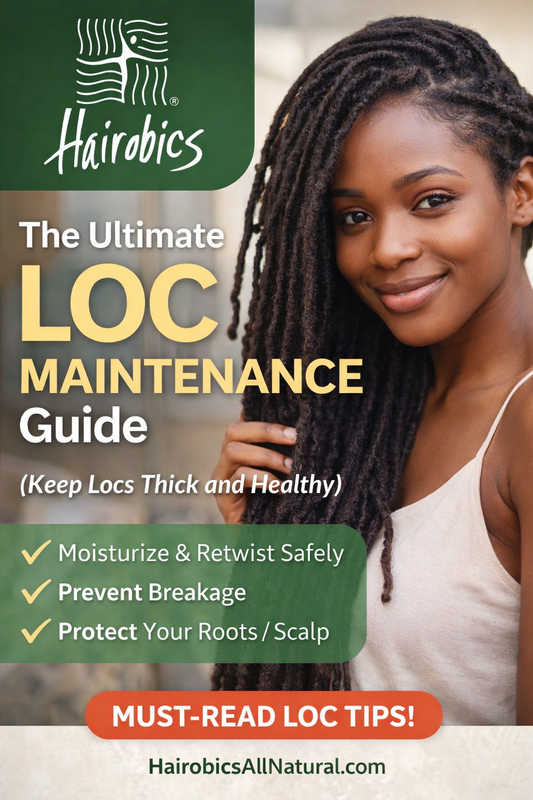
Locs are one of the most powerful and culturally meaningful hairstyles in the world. They symbolize identity, heritage, patience, and personal expression. But while locs are often called a “low-maintenance hairstyle,” the truth is they still require consistent care to stay healthy, thick, and strong.
Without proper maintenance, locs can become:
-
Thin
-
Dry
-
Brittle
-
Weak at the roots
-
Prone to breakage
Healthy locs thrive when you maintain hydration, scalp health, proper retwisting, and protective habits.
In this ultimate guide, we’ll cover everything you need to know about maintaining locs so they stay thick, full, and healthy for years to come.
Understanding Loc Structure
Before discussing maintenance, it's important to understand how locs actually work.
Locs form when strands of hair interlock and tangle together over time, creating rope-like structures. Unlike loose natural hair, locs do not shed the same way, meaning shed hairs become trapped inside the loc.
Because of this, locs gradually grow denser and stronger over time.
However, improper care can cause:
-
Weak spots
-
Thinning
-
Loc breakage
-
Scalp damage
Maintaining locs correctly protects the internal structure of the loc.
The Loc Growth Cycle
Hair in locs follows the same biological growth cycle as loose hair.
1. Anagen Phase (Growth)
Hair grows approximately ½ inch per month.
2. Catagen Phase (Transition)
Hair stops growing.
3. Telogen Phase (Rest)
Hair sheds naturally.
In locs, shed hair remains inside the loc, adding thickness.
This is why older locs often become thicker and stronger over time.
The Foundations of Healthy Locs
Healthy locs rely on five major factors:
Scalp Health
Your scalp is the foundation of your locs.
Moisture Balance
Dry locs become brittle and weak.
Gentle Retwisting
Too much tension causes thinning.
Clean Hair
Product buildup weakens loc structure.
Protective Habits
Reducing friction prevents breakage.
When these factors are balanced, locs flourish.
How Often Should You Wash Locs?
A common myth is that locs shouldn’t be washed often.
This is false.
A clean scalp is essential for healthy loc growth.
Recommended washing schedule
Starter locs
Every 2–3 weeks
Mature locs
Every 1–2 weeks
Active lifestyles
Every 7–10 days
Clean hair supports:
-
Scalp circulation
-
Healthy follicles
-
Faster hair growth
Best Shampoo Practices for Locs
Choose sulfate-free shampoos that cleanse without stripping moisture.
Ideal shampoos for locs should:
-
Remove buildup
-
Balance scalp oils
-
Hydrate hair
Focus on massaging the scalp, not the locs themselves.
Allow shampoo to flow through the locs during rinsing.
The Importance of Moisturizing Locs
Many people think locs don't need moisture.
In reality, dry locs are one of the main causes of thinning.
Healthy locs require hydration to maintain flexibility.
Signs your locs need moisture
-
Dull appearance
-
Stiff texture
-
Breakage
-
Dry scalp
Hydration keeps locs elastic and resilient.
The Best Moisturizing Routine for Locs
A simple daily routine works best.
Daily Hydration
Mist locs with a water-based moisturizing spray.
Seal with Oils
Apply natural oils to lock in moisture.
Great oils include:
-
Castor oil
-
Jojoba oil
-
Argan oil
-
Coconut oil
These oils help strengthen the hair shaft.
How to Keep Locs Thick
One of the biggest fears among people with locs is thinning locs.
Locs thin when:
-
Roots weaken
-
Hair breaks
-
Excess tension damages follicles
Tips to maintain thick locs
Avoid tight styles
Moisturize regularly
Sleep with satin protection
Retwist gently
Consistency keeps locs dense.
Retwisting Locs the Right Way
Retwisting helps maintain neat locs, but over-retwisting is dangerous.
Safe retwist schedule
Every 4–6 weeks
Retwisting too often leads to:
-
Traction alopecia
-
Thin roots
-
Weak locs
Allow new growth time to strengthen.
Retwist Products to Avoid
Heavy waxes are one of the biggest mistakes in loc care.
Waxes trap buildup inside locs.
Avoid:
-
Beeswax
-
Thick gels
-
Greasy pomades
Instead choose lightweight natural products.
Protecting Locs While Sleeping
Nighttime friction causes breakage.
Cotton pillowcases absorb moisture and weaken hair.
Best nighttime protection
-
Satin bonnet
-
Silk scarf
-
Silk pillowcase
This keeps locs hydrated and prevents thinning.
How to Prevent Loc Breakage
Breakage usually occurs due to dryness or tension.
Key prevention habits
Hydrate regularly
Avoid tight hairstyles
Protect locs while sleeping
Reduce heat styling
Healthy locs require consistent care habits.
Protective Styles for Locs
Protective styles help reduce manipulation.
Great styles include:
-
Barrel twists
-
Two-strand twists
-
Loc buns
-
Updos
These styles protect hair from environmental damage.
Exercise and Loc Maintenance
Active lifestyles can affect loc health.
Sweat buildup can clog pores.
After workouts:
-
Rinse scalp
-
Use scalp sprays
-
Keep locs clean
Healthy scalp = healthy locs.
The Role of Diet in Loc Health
Hair growth depends heavily on nutrition.
Hair follicles require:
-
Protein
-
Iron
-
Vitamin D
-
Omega-3 fatty acids
Foods that support hair growth include:
-
Salmon
-
Eggs
-
Spinach
-
Nuts
-
Avocados
Healthy eating supports strong loc growth.
How to Handle Loc Thinning
If locs begin thinning, early intervention is critical.
Solutions include:
-
Combining weak locs
-
Reducing tension styles
-
Strengthening scalp health
Ignoring thinning can lead to loc breakage or hair loss.
Detoxing Locs
Over time, locs accumulate buildup.
A loc detox helps restore cleanliness.
Popular detox methods include:
-
Apple cider vinegar rinse
-
Baking soda soak
Detoxing removes:
-
Product buildup
-
Dirt
-
Oil residue
This refreshes loc health.
Common Loc Maintenance Mistakes
Many people unknowingly damage their locs.
Top mistakes
Over-retwisting
Using heavy wax
Skipping moisture
Tight styles
Ignoring scalp care
Avoiding these habits keeps locs strong.
Loc Maintenance Routine (Simple Weekly Plan)
Daily
Moisturize locs lightly.
Weekly
Wash scalp if needed.
Monthly
Retwist new growth.
Every 3–6 months
Deep clean or detox locs.
Consistency is the key to healthy locs.
How Long It Takes Locs to Mature
Loc maturation takes time.
Typical timeline:
Starter phase
3–6 months
Budding phase
6–12 months
Teen phase
12–18 months
Mature locs
18–24 months
Patience is essential.
How to Keep Locs Looking Full
To maintain a full look:
-
Separate locs regularly
-
Maintain root health
-
Avoid tight hairstyles
-
Keep scalp moisturized
These habits preserve density.
The Role of Scalp Care
Healthy locs start at the scalp.
Your scalp needs:
-
Circulation
-
Moisture
-
Cleanliness
Scalp massages stimulate follicles and improve growth.
Why Some Locs Grow Faster Than Others
Growth differences occur due to:
-
Genetics
-
Blood flow
-
Scalp health
-
Hair density
Improving scalp health helps promote even growth.
Weather and Loc Maintenance
Environmental conditions impact loc health.
Winter
Hair becomes dry.
Increase moisture.
Summer
Sweat buildup increases.
Wash more frequently.
Adapting routines to seasons keeps locs balanced.
When to See a Professional Loctician
Professional maintenance may be needed if you experience:
-
Severe thinning
-
Loc breakage
-
Scalp conditions
-
Uneven locs
Expert care can restore loc health.
The Long-Term Benefits of Proper Loc Care
Well-maintained locs become:
-
Stronger
-
Thicker
-
Healthier
-
Longer
Over time, they reflect patience and commitment.
Final Thoughts: Locs Thrive With Consistency
Maintaining healthy locs is not about perfection.
It’s about consistent habits that protect the hair and scalp.
When you focus on:
-
Moisture
-
Gentle maintenance
-
Scalp care
-
Healthy routines
Your locs will grow thick, strong, and beautiful for years.
Start Your Healthy Hair Journey
Healthy locs begin with the right hair care routine and high-quality natural products.
Explore natural hair solutions at:
HairobicsAllNatural.com
Your hair deserves products designed to support strong, thriving locs.